Welcome
In a world that asks us to keep moving fast, to be urgent, and to fill our time as full as possible, this site invites you to something different.
This is a mutual space, a place to be in kapwa (our shared humanity).
So before we begin, let’s take a moment of pause, and breathe in.
You are where you are meant to be.
Breathe in as the circle grows, and out as it softens.
About 10 minutes. You can pause, skip or step away at any moment. If something stirs up more than you expected, you are welcome to reach out to someone you trust.
Two pathways
This website follows two pathways.
The choice is yours.
You can change your path at any moment.
The threshold
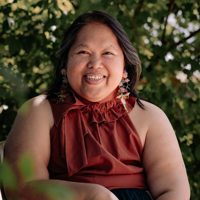
Kamusta ka? (How are you?)
I am glad you are here. I would like to know what brings you here today.
Lana
You do not need to know. Only you will see this. It stays on this device.
What you and your long body bring are all welcome.
All parts of you are welcome here.
What you and your long body bring are all welcome.
All parts of you are welcome here.
The mountains
Where I come from
I come from the islands of the Philippines, and from a lineage of women who taught me to care. These mountains held our stories long before any of us were born.
You probably came across a piece of my writing, a toolkit, a post, or someone saying, “You have to check out Lana’s work,” and here you are!
Thank you for following the nudge from the Universe. This is at the core of my practice too.
For most of my life, I have moved through different transitions, and one of the practices that has carried me through them is embracing emergence. In Filipino, we have an old saying, bahala na (come what may), which came from Bathala na (leave it to Bathala, the supreme being in precolonial Tagalog belief). It is a reverence to the spirits, a way of saying: I have done my part, and I surrender to what is unfolding.
This is a core practice in how I hold space, in retreats, in gatherings and in one-on-one executive coaching sessions. As an intuitive, I follow the nudges and look for the red threads that connect things.
Curiosity is a big part of practicing emergent strategy, as adrienne maree brown teaches. It opens us to endless possibilities. In my life, curiosity has generously led me to people and places where healing, regenerative ecosystems, healing-centered leadership and systems weaving are at the heart of the conversation.
Curiosity is also a big part of navigating change. When I was introduced to the Satir Change Model, I was fascinated by the space of chaos.
In times of chaos, following curiosity through experimentation can support us in wayfinding. It can connect us to those “aha” moments.
Your turn
Would you like to bring to mind one change in your own story and explore it with me, using the change model? It takes a few minutes, and you can stop at any stage.
If you prefer, take a paper and pen and draw your own line of change as you go.
This stays on your device. At the end of our walk, you can choose to send it to me with a message.
Thank you for exploring this part of your story with me.
My change journey
Adapted from the Satir Change Model by Virginia Satir.
You probably came across a piece of my writing, a toolkit, a post, or someone saying, “You have to check out Lana’s work,” and here you are!
Salamat (thank you) for being here.
You lead because you care. You have stayed with hard questions, held people through uncertain times, and built relationships across borders, cultures and movements. Your team brings skill, devotion and lived knowledge, and the communities you serve hold their own wisdom. Yet the ways of working many of us inherited do not always honor this.
Across decades and sectors, I have seen the same pattern, and I see it in me too. Urgency crowds out presence. Commitment slips into depletion. The values we stand for are not always the ones people feel in our meetings, and tensions go unspoken until they break open.
This strain is not a sign of failure.
We are working inside trauma-led systems that were not designed for everyone. How you lead shows how deeply you care. This work invites ways of being that nourish that care rather than overstretch it.
So pause here with me for a while. Yes, there is a mountain of challenges ahead. There is also beauty, strength and wisdom along the way.
As a trainer in HOPE (Healthy Outcomes from Positive Experiences, developed by Dr. Robert Sege and colleagues), I help teams sense the vital branches of their work through four building blocks: relationships, environment, engagement, and emotional growth.
As a leader in your field, what is strong with you? And what are the vital branches of your team or community?
Write a few words in each building block, or only in the ones that speak to you.
- RelationshipsNurturing, supportive relationships with people who see us and stay.
- EnvironmentSafe, stable and equitable places to live, learn, work and play.
- EngagementBelonging and connectedness through taking part in community and civic life.
- Emotional growthRoom to grow social and emotional skills, and to learn and recover with others.
A pabaon (provisions for the journey) is what Filipino families send with someone setting out: food for the road, a blessing, something to keep them going. Here, your pabaon gathers what you choose to carry from each place, and it is yours to keep at the end.
You probably came across a piece of my writing, a toolkit, a post, or someone saying, “You have to check out Lana’s work,” and here you are!
Salamat (thank you) for being here.
Organizations are living systems. They carry what their people carry: stress, history, hope and inherited ways of working.
adrienne maree brown teaches that change is fractal. The patterns we practice in ourselves, our relationships and our communities shape the cultures and systems we create. Culture lets those patterns travel, turning individual acts into shared stories and new ways of living.
“Culture is where we collectively decide what is normal, what is exciting, whom we include and whose stories we can tell. Policy follows.”
adrienne maree brown
Resmaa Menakem reminds us that trauma, cut off from its context, can look like personality in a person, like family traits in a family, and like culture in a people. The trauma-led cultures of modern life are depleting leaders and organizations.
Healing-Centered Leadership for Liberation tends to these layers, beginning with the leader, so the whole organization can do its work with care. It is leadership that settles rather than depletes, repairs rather than repeats patterns of harm, and measures success by the flourishing of people, communities and the more-than-human world.
When an organization heals from the inside out, the change is felt at every level: in its leaders, its teams, its programs and its relationships.
Settled bodies settle bodies.
Settled bodies settle systems.
With gratitude to Resmaa Menakem for the first line.
As a leader, where do you notice this fractal?
If you like, plot how your own inner work ripples outward, from the personal to the wider systems you are active in. It takes a few minutes.
You are also welcome to take a paper and pen. Draw your own rings, write your ripples by hand, and come back when you are ready.
Begin at the center, or tap any ring.
Where patterns live: from the personal outward to the wider systems, and back again.
Look at the ripples you have named. Small acts, carried with care, travel far.
My ripples
What you write stays on your device. At the end of our walk, you can choose to send it to me with a message.
You said you are carrying a lot right now. Thank you for bringing it here. I see you in the weight you carry.
In different seasons of my life, I have faced adversities. There were moments, especially in my breast cancer journey, when I wondered: What is mine to hold? What is mine to tend? And who do I engage with that can nourish me?
That season started me on the journey of self-fullness. It led me to paths where I learned about post-traumatic growth and the difference between trauma-informed and healing-centered engagement, and it expanded my view to the wider systems around us.
What grew out of those experiences was an awareness that alongside the suffering, there were also strengths. It turned me toward my self-fullness rather than my broken parts, and it led me to the work of Aaron Antonovsky on salutogenesis. Instead of asking only what makes us ill, he asked what creates health: what helps us find life comprehensible, manageable and meaningful, even in hardship.
This reorientation gave me a new way of seeing my experiences. It helped me remember and re-member my wholeness. Honoring all that is there, both the wounding and the wisdom, gave me a wider view of what lies beneath the iceberg: the parts of us we do not usually see or explore.
It might be too soon. But if you are ready and willing, you could bring one thing you carry and explore it through the iceberg.
If you prefer, take a paper and pen and draw your own iceberg as you go. Your hand may find words the screen does not.
Choose something you can hold with care, not the heaviest thing. Move slowly, from the surface downward. You do not need to reach the bottom; stop wherever feels enough. What you write stays on this device.
Your histories run through every layer. A weight you carry today can hold many years. The Personal Iceberg is adapted from the work of Virginia Satir.
Thank you for going beneath the surface with me. Breathe. Notice your feet, the ground, the room around you.
My iceberg
Whatever you are carrying, you do not have to carry it alone.
Where do you come from? The land, the waters, the people who raised you.
This stays on your device. At the end of our walk, you can choose to send it to me with a message.
Let’s take some time to metabolize what we shared. Come walk with me on the mountain, and breathe with me as we go: in for four, out for six. A longer exhale tells the body it is safe to slow down, a return to ginhawa (ease, full breath). Breathe in whatever way feels right for your body.
The ancestor trees
The ones who hold me
For more than 20 years, I have held learning and healing spaces across cultures and continents. Today, I accompany global leaders of international organizations and networks as they reimagine their organizations from the inside out.
This work did not come in a straight line. It took me years to realize that the work I am most called to do is drawn, in part, from my roots.
My work weaves three ways of knowing:
- Rooted in Sikolohiyang Pilipino (Filipino psychology), which understands the self not as separate, but as shared with others, as kapwa (shared self).
- Neuroscience and nervous system literacy, which show how stress, safety and connection live in our bodies and shape how we lead.
- A systems-weaving lens, which sees organizations as living webs of relationships, histories and possibilities.
Everything I offer, from how I listen in a room to how I accompany an organization through change, flows from where these three meet.
I am delighted to share the ancestral and cultural practices of my people, like kapwa (shared self) and pakikiramdam (deep, felt sensing of others), which support systemic change.
Just as my work grows from my roots, you carry roots of your own. Think of your ancestors, the long line of people whose lives brought you to this here and now.
A note of gratitude
Who inspired you on your journey? It might be someone in your lineage, or someone you met along the way in your lived experience. If you like, write them a small note of salamat (thank you).
This stays on your device unless you choose to share it.
Touch the roots, and feel how our roots touch each other.
The river
The work flows outward
From these roots, the work flows outward into leaders, teams, organizations, fellowships, and communities. Every organization carries its own history, strengths, and strains, so no two engagements look the same.
What stays constant is how I work:
- From pakikiramdam, deep attunement to what is felt across the many layers of the field.
- From kapwa, the shared self at the core of my belief that inner work is communal work.
- From kaginhawaan, the conviction that liberatory practice must ensure flourishing and fullness of breath for all.
Here are the ways we can begin. Along the river are five places, each one a way we can work together. Tap each place to hear its story.
A wish for the wishing well
Before you go on, is there a wish you hold for your leadership, your team, your organization, or your community? What would you love your team to experience that nourishes kaginhawaan (shared flourishing and fullness of breath)?
This stays on your device unless you choose to share it.
Walk with me to the well, and drop your wish into the wishing well.
To read more about ginhawa (breath, wholeness, ease), see Leny Mendoza Strobel, “Ginhawa/Breath: Wholeness and Wellness in the Filipino and Filipino American Experience”.
The fire
This is the fire in the middle of this work.
Every gathering begins around something warm. My spark is among the many that light up our world.
My spark is the belief that healing is communal. When we are held, witnessed and resourced together, we remember and re-member our wholeness, who we are, and what can tend into being.
Lana · one spark among many
Around a fire, we sense one another before we speak. We notice who is cold, who needs to come closer to the warmth, who is ready to share. This is pakikiramdam (deep, felt sensing of others): feeling into the field together.
A fire stays alight because each of us tends it, and no one has to carry the flame alone.
A short explainer · 2 minutes 46 seconds
What is your spark?
It might be what lights you up, what you carry into the circle, or what keeps you going. Hold it in mind, and when you are ready, add it to the fire.
Only you will see this. It stays on this device.
The circles
The gatherings
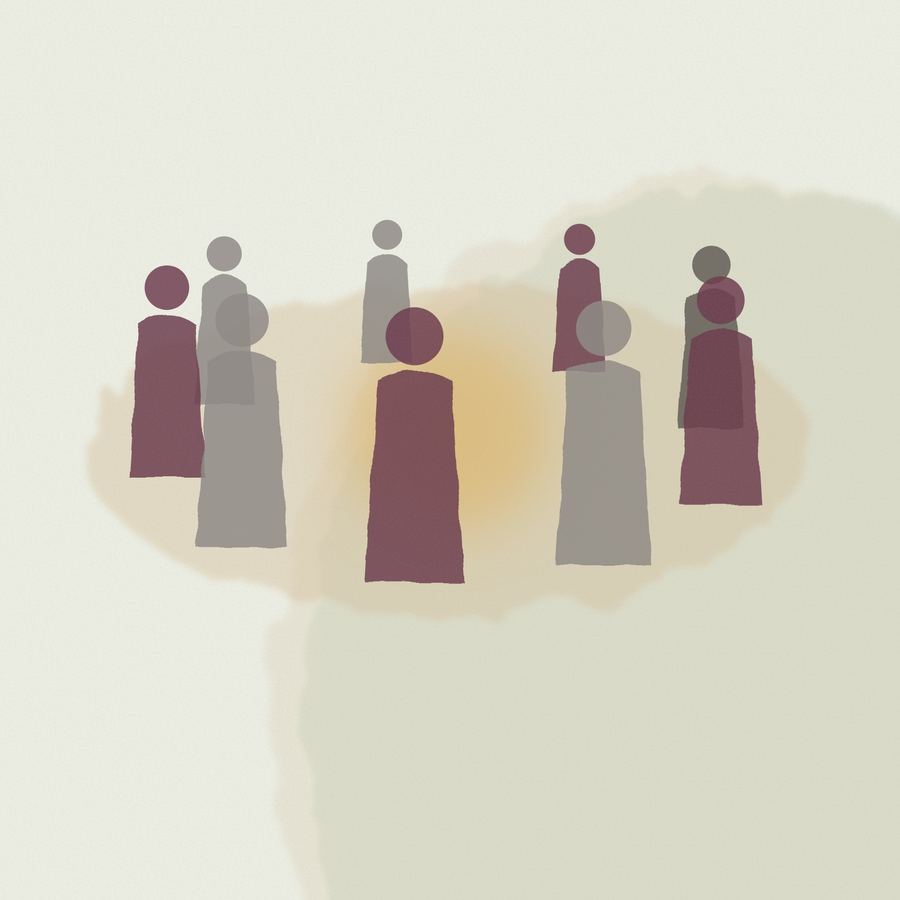
In a circle, no one sits at the head. Each of us can see every face. This is kapwa (shared self): the recognition that my self and your self are not separate.
What I heal, I heal with you. Inner work is communal work.
The circle at the heart of my work
Healing-Centered Leadership for Liberation
An ongoing journey for leaders and teams through eight arcs. Each arc has its own practices, tools and learning calls, and every group has a shared space between sessions to keep tending the work. Organizations can begin with leadership workshops, continue with executive coaching, or bring the whole organization into culture work together.
Tap an arc to see what it holds.
Other circles I hold
- Retreats, time away to slow down and practice together.
- Fellowships and cohorts, circles held for a group over many months.
- Open gatherings, where anyone is welcome to join.
- Hiraya, the quiet space every group I accompany has between gatherings, with conversation, check-ins, recordings and Ask Lana.
The circles that hold you
Who are the circles that hold you? It might be your family, your colleagues, a community, or a few friends. And what do you bring into a circle when you join one?
This stays on your device unless you choose to share it.
When you are ready, step into the circle. There is room for you.
The night sky
What you carry home
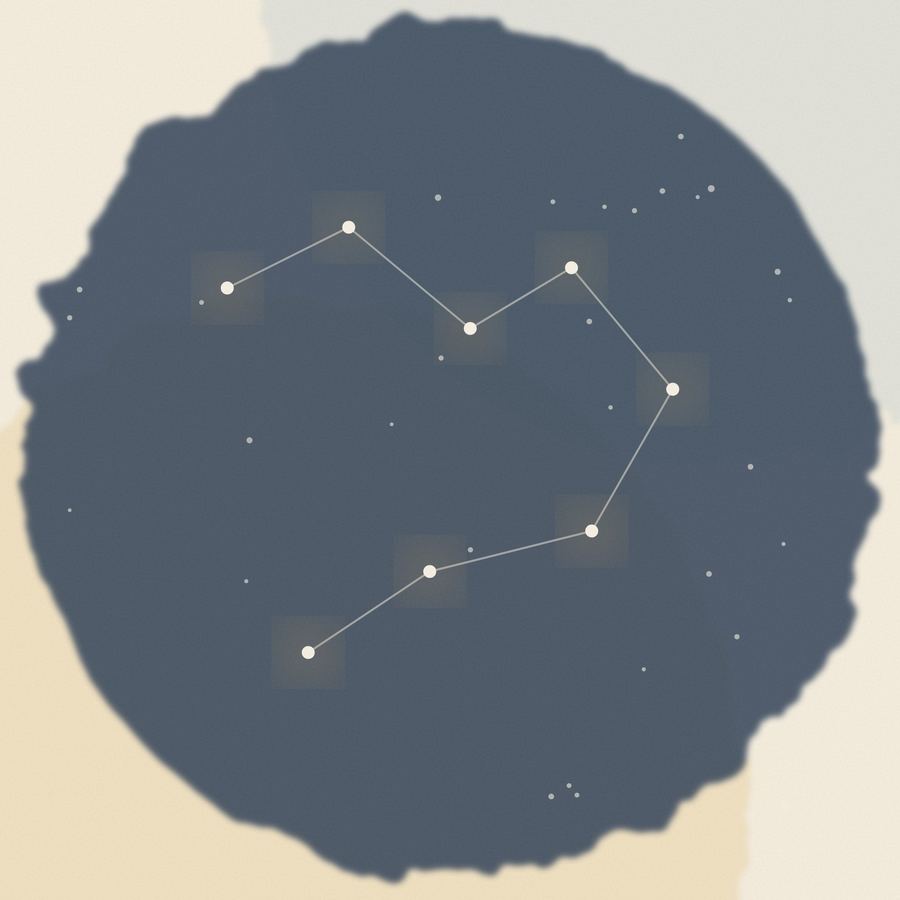
We have walked a long way together: from the threshold to the mountains, under the ancestor trees, along the river and around the fire. Night has come, and the sky is open.
Long before maps, our seafaring ancestors read the stars to find their way across the islands. A star does not show you every step. It shows you the direction home.
Before you go, place a star in the sky with one word you are taking with you. It might be something you noticed, a feeling, a name, or a promise to yourself. Your star joins the others who walked here before you, and together we make a constellation.
Only you will see this. It stays on this device.
Your pabaon (provisions for the journey)
A note of gratitude
With love, carried from the ancestor trees
The four building blocks of HOPE
Read my pabaon as text
- You arrived
- With all of you
- Your spark
- Added to the fire
- You carry home
- Your questions
- A practice for the way
- Whenever you need to arrive, take one breath: in as the light grows, out as it softens.
Letters for the way
Would you like your card in your inbox, and five short letters from me over the next two weeks, each with a small practice?
You can stop the letters at any time. I use your email only for this.
Keep reading with me
Would you like to sign up for my blog, Refugia on Substack? You will receive recent articles, new tools, and news of upcoming gatherings in your inbox.
Signing up opens Substack in a new tab, where you confirm. You can unsubscribe at any time.
What you and your long body bring are all welcome. All parts of you are welcome here.
Hiraya manawari (may the wishes of your heart come true),
Lana